



The field of healthy aging
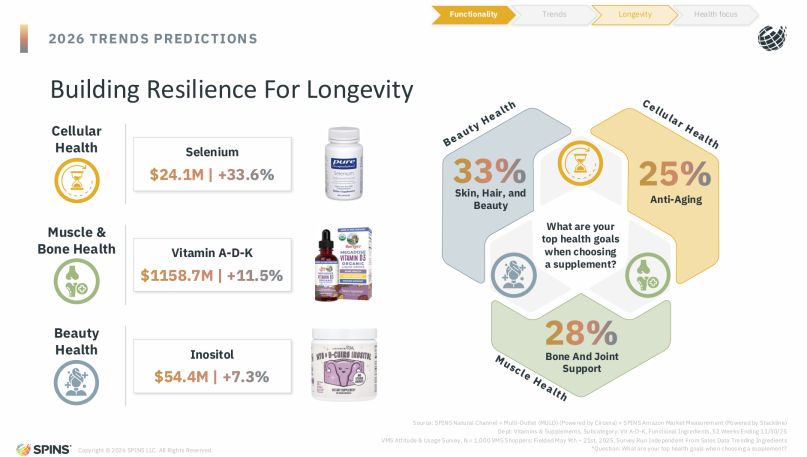
The SPINS report proposed the concept of “building resilience for longevity”, stating that when consumers purchase supplements, the health goals they most concern about include beauty health (33%), bone and joint support (28%), and anti-aging (25%).
Source: SPINS
Cell health – Selenium: Selenium is an essential trace element for the human body. It is the core component of various selenium proteins and plays an important role in maintaining cell health. Its core functions are mainly reflected in two aspects: one is antioxidant defense, as selenium is the active component of glutathione peroxidase, it can directly eliminate harmful free radicals such as hydrogen peroxide in the cells, protecting cell membranes, proteins and DNA from damage; the other is signal regulation, through the thioredoxin reductase system, selenium participates in regulating the activity of important transcription factors such as NF-κB and p53, thereby affecting cell proliferation, apoptosis and inflammatory responses, maintaining normal cell functions.
Muscle and bone health – Vitamin A-D-K: Vitamins A, D, and K play a key collaborative role in muscle and bone health. Vitamin D not only promotes calcium and phosphorus absorption, providing raw materials for bone mineralization, but also supports muscle contraction by maintaining stable blood calcium levels; Vitamin K is responsible for activating proteins such as osteocalcin, precisely regulating calcium distribution; and Vitamin A participates in bone growth and remodeling. The three work together to effectively maintain bone density, bone quality, and normal muscle function.
Source: SC BOMING/Alibaba
Beauty health – Inositol: Inositol, also known as vitamin B8, can support skin and hair health from the inside by regulating cell signals and metabolism. It can regulate the insulin signaling pathway, thereby helping to improve skin acne and hirsutism caused by hormonal imbalances (such as polycystic ovary syndrome). At the same time, inositol participates in the signal transmission of hair follicle cells, and studies have shown that its supplementation can help improve hormone-related hair loss conditions. In addition, inositol also has a mild calming effect, which can indirectly improve skin barrier function disorder caused by stress through alleviating anxiety.
2) Stress and Emotional Support Domain
According to data from the World Health Organization, nearly 1 billion people worldwide are facing mental health challenges, with anxiety and depression being the most common. Meanwhile, the SPINS report indicates that 76% of adults feel the impact of stress on their health, and this phenomenon is driving a significant expansion of the emotional supplement market.
In the food and beverage sector, the demand for products with emotional and stress support features has soared: namely, water sales increased by 61% in the 52 weeks ending October 5, 2025, soda sales increased by 52%, kombucha and other functional beverages increased by 33%.
Source: SC BOMING/Alibaba
The dietary supplement sector also shows growth trends, with popular ingredients such as ashwagandha (19.7 million US dollars), magnesium (45.3 million US dollars), and Vitamin D (44.4 million US dollars) maintaining a large market share. Among them, the sales of ashwagandha and magnesium increased by 24.7% and 17.1% respectively.
It is worth noting that although the sales of theanine were only 4.8 million US dollars, it increased by as much as 164%, becoming a dark horse in the stress and emotional support domain. As an amino acid unique to tea, theanine can directly act on the brain, promoting the generation of alpha brain waves and regulating neurotransmitters, effectively alleviating anxiety, reducing stress, and improving emotional stability without causing drowsiness.
3) Cognitive Health Domain
SPINS data shows that “mental clarity and concentration” has become an important health goal for consumers of all ages, with the 18-24 age group showing the highest attention (35%), followed by the 50-64 and 35-49 age groups (both 19%).
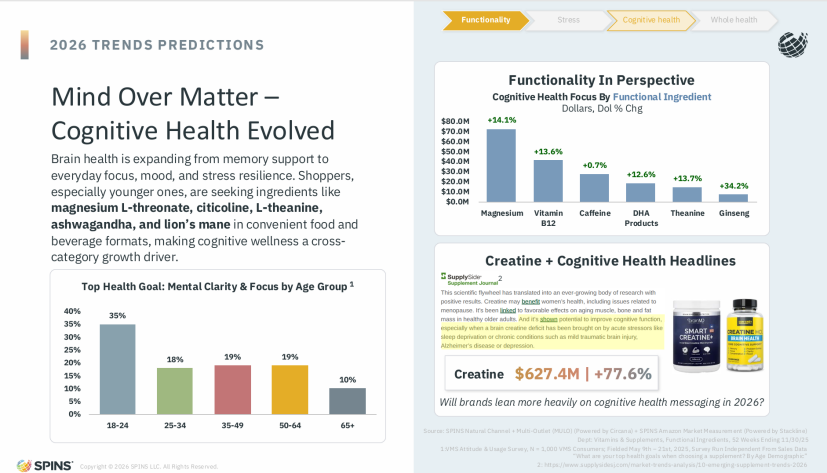
This distribution of demand indicates that cognitive health has transcended age boundaries and become the focus of public attention. In the market of functional ingredients for cognitive health, various ingredients have shown strong growth trends: within the 52 weeks ending on October 5, 2025, the sales of popular ingredients such as magnesium ($70 million), vitamin B12 ($40 million), DHA products ($15 million), and theanine ($10 million) increased by 14.1%, 13.6%, 12.6%, and 13.7% respectively compared to the previous period. Although ginseng had the lowest sales (approximately $5 million), it showed a rapid growth rate of 34.2%. These data indicate that the cognitive health ingredient market is showing diversified development.
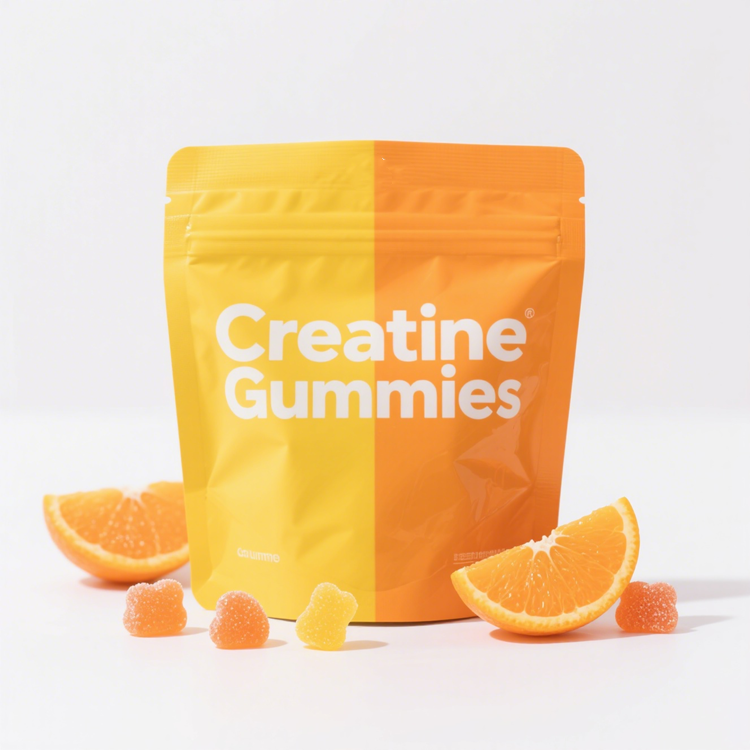
It is worth noting that creatine has become the mainstream ingredient in the cognitive health field. Its market sales reached $627.4 million, with a year-on-year growth of as high as 77.6%. Studies have shown that creatine has the potential to improve cognitive function, especially in cases where there is a deficiency of brain creatine due to lack of sleep or chronic diseases (such as mild traumatic brain injury, Alzheimer’s disease, or depression). In addition, creatine is also beneficial for women’s health, aging, bone and fat quality.
Source: SC BOMING/Alibaba
Post time: Feb-10-2026