



In July 2025, D-aldose sugar – this “star” artificial sweetener – has been officially approved and is demonstrating its potential for application in the “low GI” and “clean label” sectors.
According to data from Global Market Insight, the global market size of D-aldohexose reached 147 million US dollars in 2024. It is projected to grow at a double-digit rate of 14% annually from 2025 to 2034. The high growth potential behind this is the global trend of “sugar control”, consumers’ preference for natural ingredients, and the excellent properties of D-aldohexose in terms of flavor, texture, and solubility.
As a natural rare sugar, D-aldohexose has a sweet taste and texture very similar to sucrose. It not only hardly participates in human metabolism but also inhibits the absorption of other sugar substances, thereby reducing the glycemic index of food. Its biotransformation production process is mild, does not involve chemical synthesis, and is recognized as a new food raw material, conforming to the concept of “clean label” and the reduction of additives.
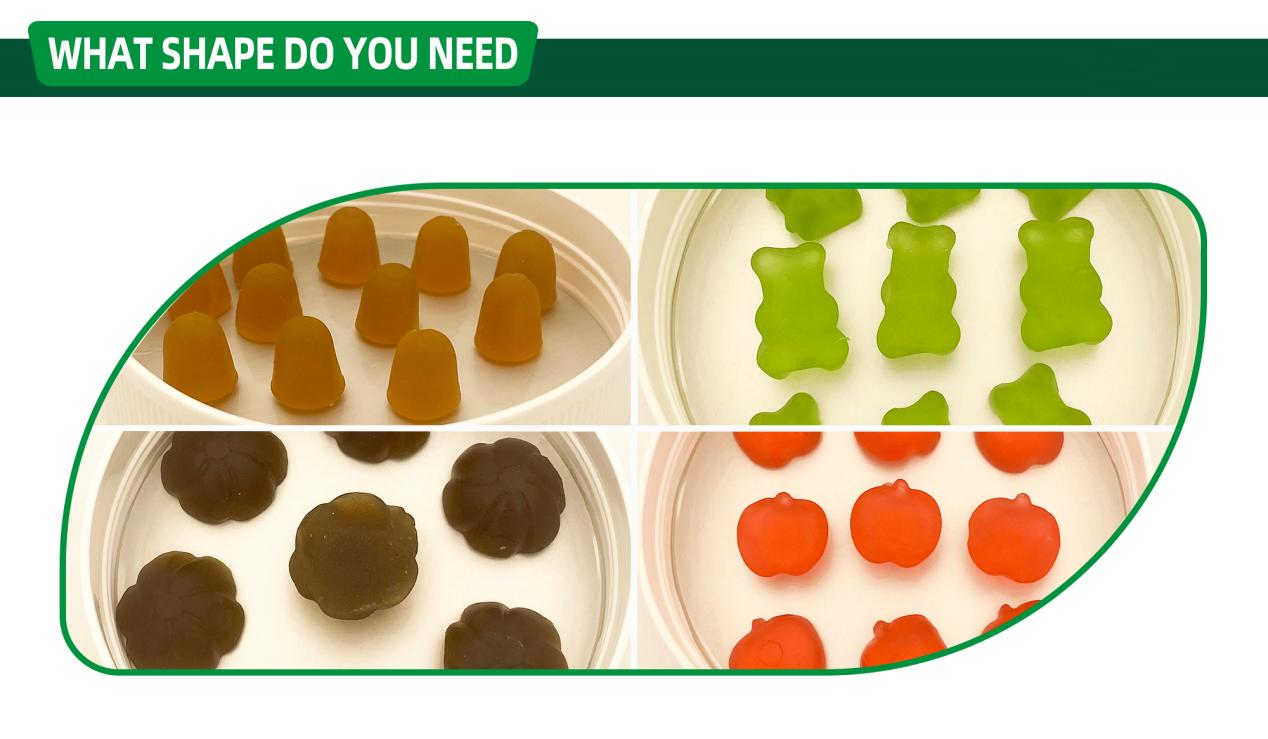
(1) The demand for “sugar control” has sparked the “low GI” market
The health risks associated with excessive sugar intake have been the fundamental driving force behind the global trend of reducing sugar consumption. The World Health Organization (WHO) recommends limiting the daily intake of free sugars to 50 grams (preferably less than 25 grams), as excessive intake significantly increases the risks of obesity, type 2 diabetes, cardiovascular diseases, and tooth decay.
“Low GI” refers to foods with a glycemic index (GI) of 55 or lower. When consumed by the human body, these foods cause a slower increase in blood sugar levels, which is beneficial for blood sugar management.
Under the market trends of “sugar reduction“, “sugar control” and “low GI“, D-aldonic acid sugar has great potential.
The energy of D-aldonic acid sugar is only 1/10 that of sucrose. Moreover, due to the lack of relevant metabolic enzymes in the human body, it hardly participates in human metabolism, does not generate calories, and does not cause changes in blood sugar and insulin levels. When mixed with sucrose or maltodextrin, etc., D-aldonic acid sugar will also compete with sugar substances for the limited small intestinal absorption channels, thereby inhibiting the rapid increase of blood sugar and insulin concentrations.
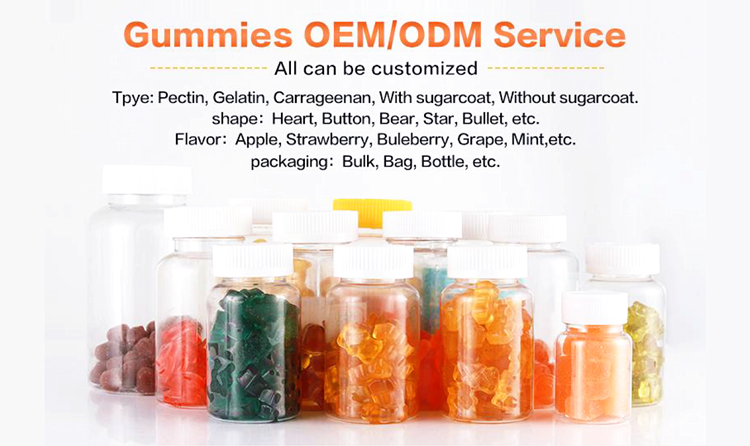
A number of leading health supplement and gummy supplement brands have begun conducting tests on the application of D-aldose sugar. Currently, Justgood Health has developed many types of gummy supplements that use D-allohexulose.
(2) The “top” status of clean labels
Apart from being low in sugar, controlled sugar, and having a GI attribute, the potential of D-aldonic acid lies in its natural properties. According to the “Scientific Consensus on D-aldonic Acid” released by the China Food Technology Society in January 2025, D-aldonic acid is a rare natural sugar that exists in small amounts in plants such as figs, raisins, and kiwis. Being natural, with low processing, and without additives, these attributes make D-aldonic acid typically regarded as a “clean sweet source” that conforms to the “clean label” concept, providing strong support for brands to create consumer-reliable healthy foods.
(3) Acesulfame Potassium: The “Powerhouse” of Sugar Alternatives
In addition to meeting the requirements of the low-GI and clean label market trends, the flavor, physical and chemical properties, and health value of D-aldohexopyranose make it a “powerhouse” in the field of sugar substitutes. It can be widely applied in beverages, new tea drinks, baking, functional foods, meat products, confectionery, dairy products, and other fields.
|
Properties of D-Aloinose |
|
|
Appearance |
White powder-like crystals |
|
Flavor and Taste |
The sweetness is pure, without bitterness or chemical taste. The sweetness is approximately 70% of that of sucrose. The taste and volume characteristics are similar to sucrose. |
|
highly soluble in water. |
At room temperature (25℃), 291 grams can be dissolved in 100 ml of water, which is higher than sucrose, xylitol, arabinose, tagua sugar, and erythritol. |
|
High stability |
Does not easily decompose under acidic, high-temperature and other conditions |
|
Reductive property |
It can reduce the oxidation reaction of food, delay the deterioration of quality, and thereby extend the shelf life of the product. |
|
Maillard reaction |
It can react with amino acid-containing compounds, generating flavor and color substances, thereby endowing the product with unique flavor and color. |
(3) Functional Food: Metabolism-Healthy Natural Sweetness
Blood sugar management: D-Aloinose can promote insulin synthesis, inhibit glucagon secretion, delay the digestion and absorption process of carbohydrates, and help lower the post-meal blood sugar peak;
Weight management: Studies show that before meals, consuming a small amount of D-Aloinose (5 grams) can enhance post-meal fat oxidation and reduce carbohydrate oxidation;
Antioxidation: Studies show that D-Aloinose can inhibit oxidative damage caused by reactive oxygen species, reduce free radical content, and has advantages such as neuroprotection and scavenging reactive oxygen species;
Oral health: D-Aloinose is not utilized by certain bacteria in the oral microbiota, and will not produce typical by-products that attack tooth enamel during consumption.
Appearance and taste: When D-Aloinose is applied to gummy candies, it has good molding properties, is firm but not sticky;
Flavor optimization: D-Aloinose easily releases the flavor of fruits;
Low calories, low GI: D-Aloinose does not participate in human metabolism and can lower the glycemic index, achieving sugar reduction and health upgrade;
Prevention of tooth decay: D-Aloinose is not utilized by certain bacteria in the oral microbiota, and will not produce harmful by-products to the oral cavity;
Special product advantages: In chocolate, it can retain its rich and mellow taste, and can be combined with lutein, curcumin, lycopene, collagen and other raw materials to develop functional candies.
Post time: Feb-09-2026