



Efficiency has soared by 18 times! How does Justgood Health restructure the turmeric supplement?
Turmeric is rapidly gaining popularity.
On Google Trends, the search volume for “turmeric/turmerics” has exceeded 100 million times, and the number of related products has reached over 2.95 million. It is predicted that the global turmeric market will grow from 1.638 billion yuan in 2025 to 2.289 billion yuan in 2032. Behind these phenomena lies a significant increase in consumers’ demand for natural and functional foods, indicating the huge market potential of turmeric. Turmeric is undergoing a magnificent transformation from a traditional spice to a modern symbol of health.
Turmeric: From Traditional Food and Medicine to Modern Functional Components
(1) What is Turmeric?
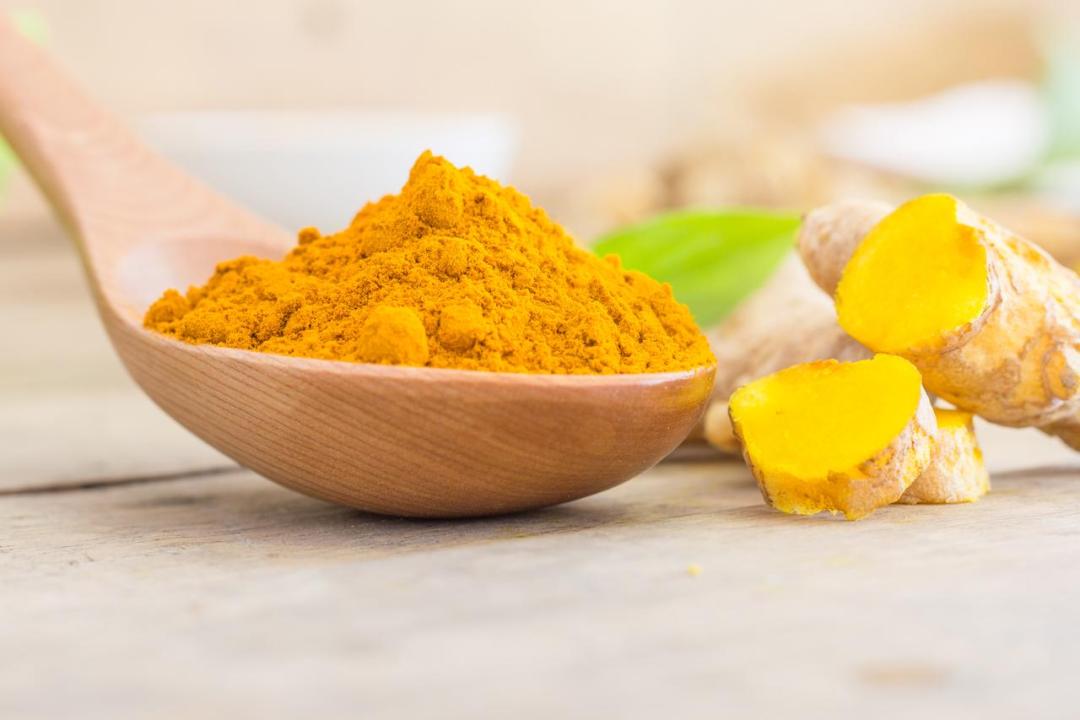
Turmeric (Curcuma longa L.) is a plant of the ginger family, Curcuma genus. Its root and rhizome are well-developed, with many branches. The main part used is the rhizome. The main component of turmeric is curcumin. As a typical material used for both food and medicine, the medicinal name of turmeric was first recorded in “Newly Revised Herbal”, and was confirmed as this species in the Qing Dynasty. The “Compendium of Materia Medica” states that it has medicinal values such as anti-liver damage, lowering blood pressure and cholesterol, promoting circulation and relieving pain.
(II) Functional Effects
With the advancement of modern science, the research on the functions of turmeric and its extract curcumin has become quite extensive, and it has been confirmed that they have numerous benefits for human health. Additionally, studies have found that a certain concentration of turmeric can have an anti-corrosive effect on food and beverages.
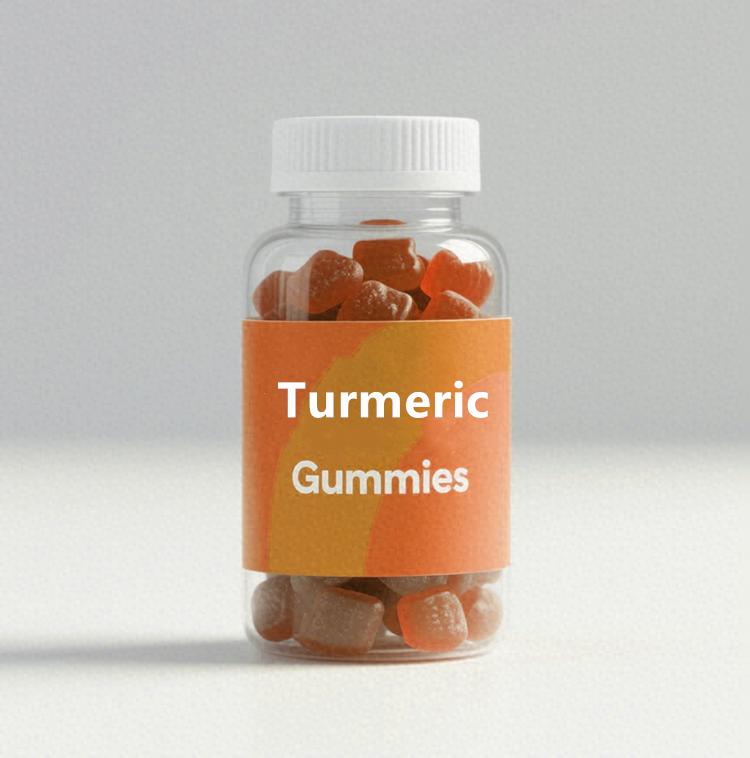
Apart from its application in traditional food industries, curcumin, thanks to its antioxidant and anti-inflammatory properties, has shown a strong growth momentum in the fields of dietary supplements and functional foods. Particularly in the sub-markets of joint health, cognitive function, and overall health, products containing curcumin have received much attention. Market data indicates that the number of new curcumin-containing products launched globally increased by 1.5 times from 2013 to 2017, with a compound annual growth rate of 9%. Among them, innovation in the food and beverage sector was particularly active.
Thanks to technological breakthroughs, turmeric has developed various formulations such as raw material form, water-soluble powder, water-soluble liquid, oil-soluble powder, and oil-soluble liquid, significantly expanding its application scope:
In the fields of health nutrition food raw materials and medicine: turmeric capsules, turmeric tablets, solid drinks, turmeric candies, turmeric oral liquid beverages
(II) Innovative Combinations, Synergistic Benefits
Through scientific blending, turmeric can also produce an “1+1>2″ effect when combined with other components.
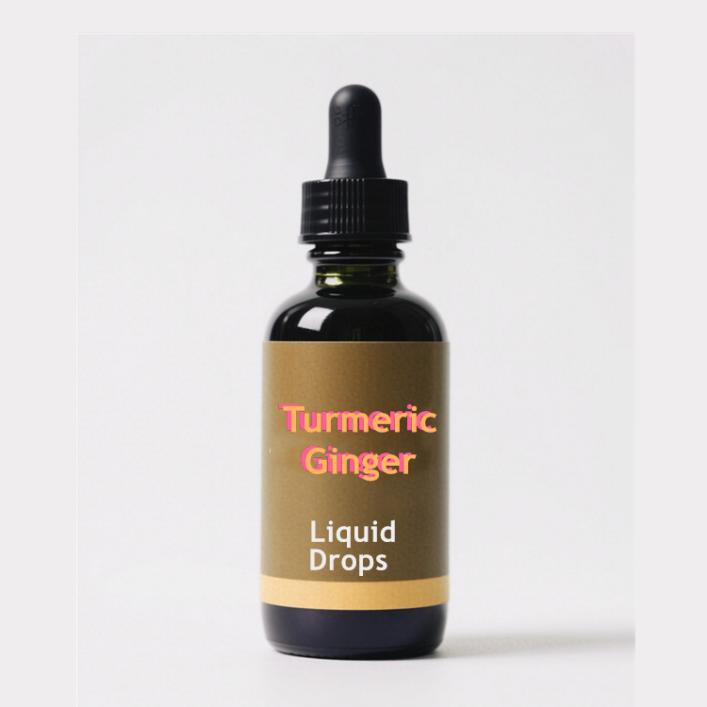
Turmeric + Anthocyanins: Anthocyanins themselves play an important role in protecting vision and have antioxidant properties. When combined with turmeric, they can further improve microcirculation and increase the antioxidant capacity of cells.
Turmeric + Omega-3: Omega-3 is known for its anti-inflammatory properties, improving lipid structure and supporting heart and brain health. When used together with turmeric, it is beneficial for antioxidation and preventing thrombosis.
Turmeric + Glucosamine: Glucosamine (aminosugar) plays a key role in maintaining cartilage structure, supporting joint lubrication and repair. When combined with turmeric, they can jointly help alleviate joint discomfort and improve joint health.
Turmeric + Aloin: Aloin can significantly increase the absorption rate and bioavailability of curcumin, allowing it to stay in the body for a longer time and exert more effective action. The combination of turmeric and aloin can enhance the multiple physiological benefits of curcumin.
Post time: Feb-02-2026