



The food, beverage and health industries are undergoing profound changes. Driven by the transformation of consumer values, continuous technological advancements, and fluctuations in the macro environment, functional ingredients are accelerating their breakthrough from being a “niche market” to becoming mainstream in the consumer landscape. At the same time, the boundaries between supplements and traditional foods and beverages are blurring, and the integration and innovation between different categories are accelerating continuously.
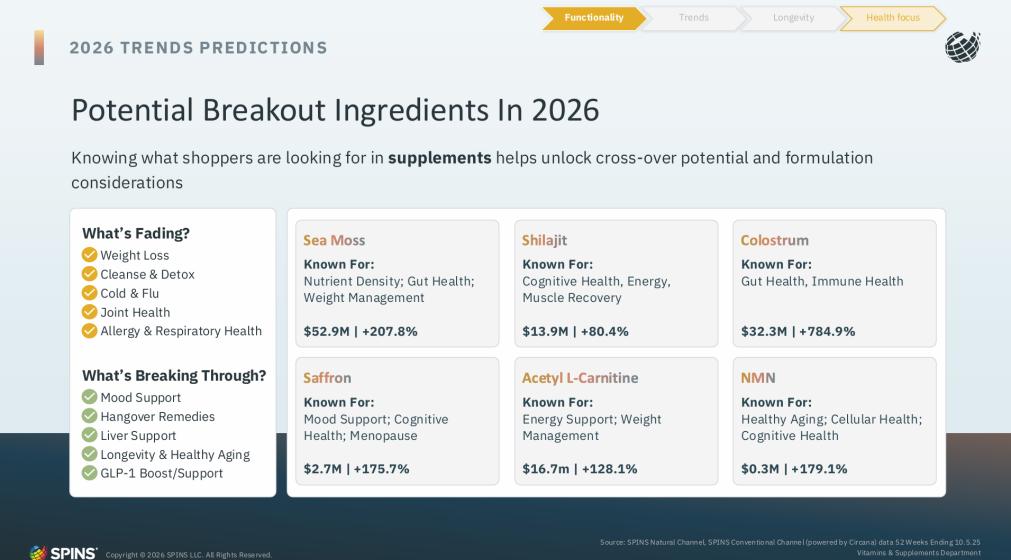
The latest report “2026 TRENDS PREDICTIONS” released by the trend research institution SPINS focuses on functional raw materials and summarizes six potential ingredients and three health areas that are worth paying attention to in the coming year, providing a trend map with reference value for industry foresight.
Six potential components
1)Seaweed
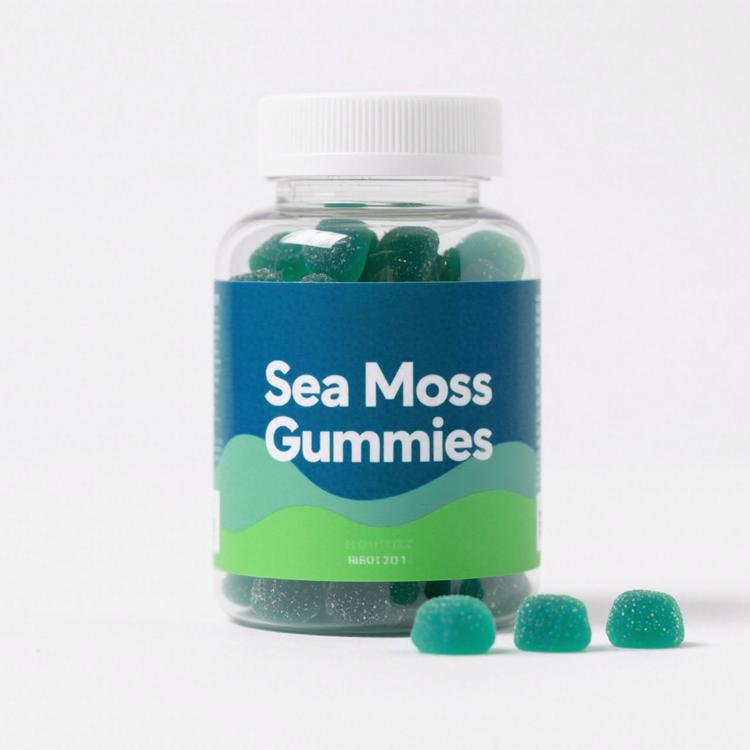
Seaweed refers to the dried algae body of the plant Sargassum pallidum (Turn.) C. Ag or Sargassum fusiforme (Harv.) Setch. of the Sargassum family. It is a collective term for marine algae (Algae), usually attached to the seabed or some solid structure, and is a single plant or a long string of simple organisms composed of basic cells.
Source: SC BOMING/Alibaba
Modern research has confirmed that seaweed contains bioactive components such as proteins, polysaccharides, dietary fibers, and vitamins, and has various functions such as anticoagulation, lowering blood pressure, and reducing blood lipids.
Within the 52 weeks ending on October 5, 2025, the market performance of dietary supplements using seaweed as the raw material was particularly outstanding. According to SPINS sales data, the sales volume of this product has reached 52.9 million US dollars, with a year-on-year growth of up to 207.8%. Currently, the functional applications of seaweed raw materials mainly focus on three areas: enhancing nutritional density, supporting intestinal health, and weight management, reflecting its potential for widespread application in various health scenarios.
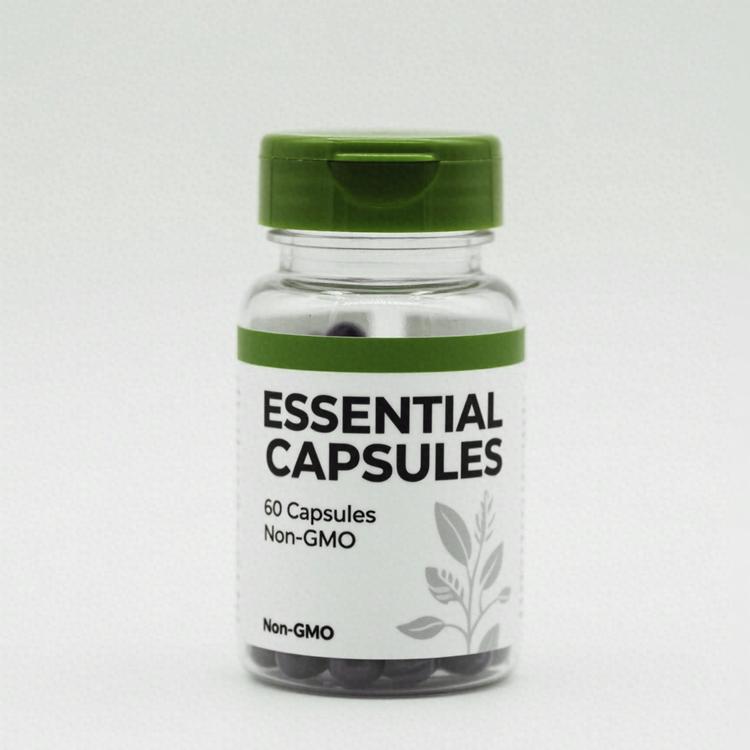
In Justgood Health’s compound capsules, seaweed is combined with 17 other ingredients such as South African passion fruit, turmeric, etc., aiming to synergistically support various health needs. Among them, the seaweed content is the highest, reaching 350 milligrams per capsule. The seaweed gummies launched emphasize that they are rich in natural vitamins, minerals, and antioxidants, which help promote digestive health and maintain the body’s own defense mechanism.
Source: SC BOMING/Alibaba
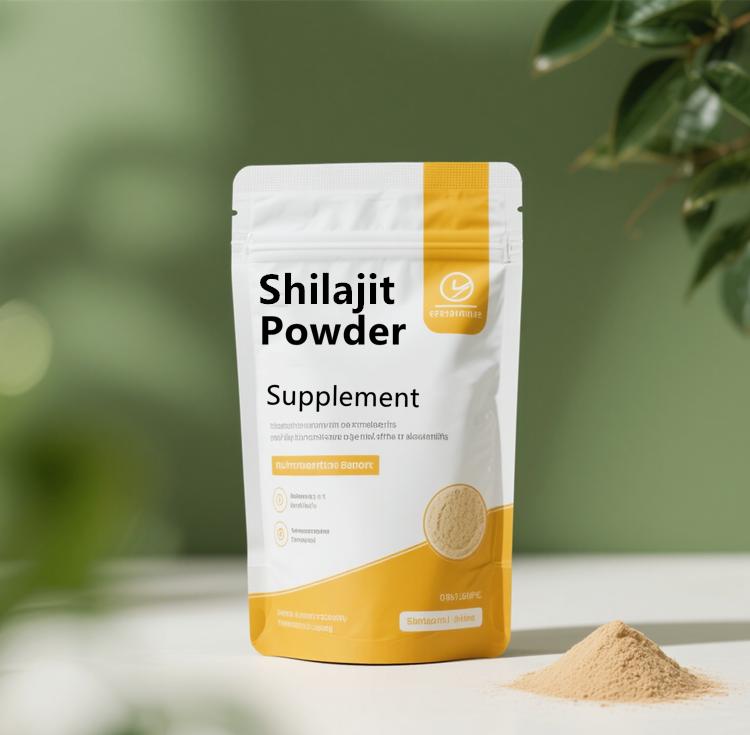
2)Shilajit is composed of rock humus, mineral-rich organic matter, and microbial metabolites that have undergone compression for hundreds of years in the rock layer and marine biological layer. It is one of the most important substances in Ayurvedic medicine. Shilajit is rich in fulvic acid and over 80 essential minerals for the human body, such as iron, magnesium, potassium, zinc, and selenium. It has numerous health benefits, including anti-fatigue and enhanced endurance.
Source: SC BOMING/Alibaba
Data released by The Vitamin Shoppe shows that the sales of Shilajit increased by over 40% in the first quarter of 2025. SPINS data indicates that in the 52 weeks ending on October 5, 2025, the sales of dietary supplements using Shilajit as the raw material were $13.9 million, a year-on-year increase of 80.4%, mainly applied in three areas: cognitive health, energy supplementation, and muscle recovery.
3)Colostrum
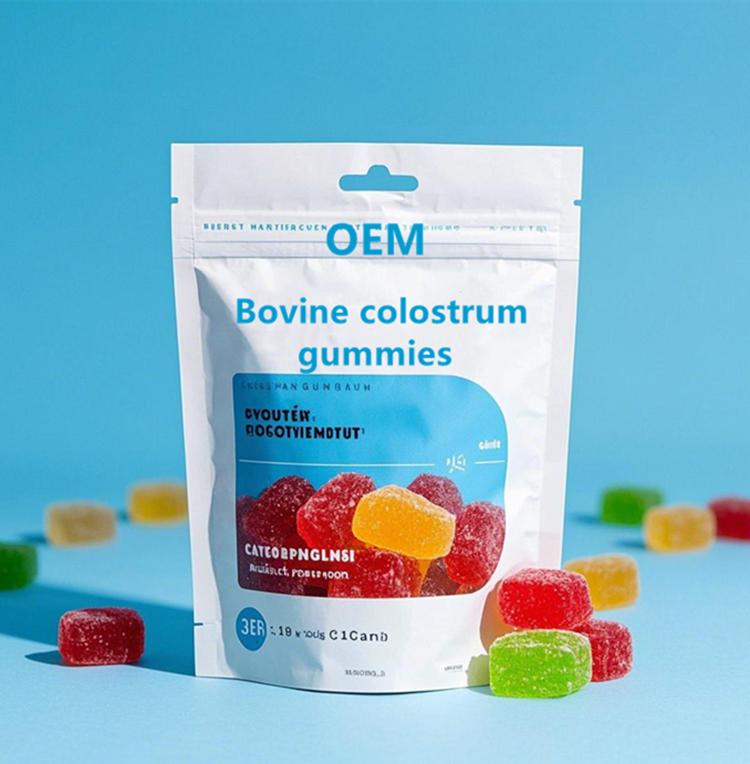
Colostrum usually refers to the milk secreted 2-3 days after childbirth. Its protein content is significantly higher than that of regular milk, especially containing whey protein and abundant active substances such as immunoglobulins and lactoferrin, which can be directly absorbed by the human body and have the functions of preventing infection and enhancing immunity. In addition, colostrum is rich in a large amount of growth factors, especially epithelial growth factor, which not only promotes the development of epithelial cells in the gastrointestinal tract and liver of newborns, but also participates in regulating the acidity of gastric juice and is crucial for the health of the body.
Source: SC BOMING/Alibaba
According to SPINS data, within the 52 weeks ending on October 5, 2025, the sales of dietary supplements using colostrum as the raw material were 32.3 million US dollars, an increase of 784.9%, mainly applied in the fields of intestinal health and immune health.
4)Saffron
Saffron (Crocus sativus L.), also known as saffron or red saffron, belongs to the iris family and is a perennial herb. People usually collect and dry its bright red stigma and style for food seasoning and coloring. In Iran, saffron is called “red gold”, and its price is usually 5,000 US dollars per kilogram or higher. It is said to be the most expensive cultivated herb plant in the world and also the most expensive traditional seasoning. In 2019, saffron (saffron) was officially included in the list of China’s food and medicine homologous directory.
Saffron is rich in saffronine, saffronal and flavonoids, among approximately 150 other active compounds, and possesses pharmacological effects such as antioxidation and protection of the heart and stomach.
According to SPINS data, within the 52 weeks ending on October 5, 2025, the sales of related dietary supplements were only $2.7 million, but they increased by 175.7% year-on-year, indicating a strong market growth momentum.
It is worth noting that as an emerging mood regulator and serotonin enhancer, saffron demonstrates great potential in the fields of mood support and cognitive health.
(5)Acetyl-L-carnitine
Acetyl-L-carnitine is an ester of L-carnitine and is naturally present in muscles, the brain, and sperm, responsible for removing acetyl groups and assisting in energy transfer. SPINS data shows that within the 52 weeks ending on October 5, 2025, the sales of dietary supplements containing this component reached $16.7 million, increasing by 128.1% year-on-year, demonstrating strong market vitality in the energy support and weight management fields.
(6)NMN (Nicotinamide Mononucleotide)
NMN, also known as “β-nicotinamide mononucleotide”, is a naturally occurring bioactive nucleotide and an important supplement for NAD+ (nicotinamide adenine dinucleotide). NMN has been proven to increase the level of NAD+ in human cells and has certain benefits for delaying cellular aging.
SPINS data shows that 25% of consumers pay the most attention to anti-aging effects when purchasing supplements. With this characteristic, the demand for NMN has significantly increased, and within the 52 weeks ending on October 5, 2025, the sales of dietary supplements containing NMN reached $300,000, increasing by 179.1% year-on-year.
Post time: Feb-03-2026